Homemade Bread & Baking Recipes
Discover the best Homemade Bread & Baking Recipes featuring soft breads, artisan loaves, easy baking ideas, and delicious homemade treats for every occasion.
I still remember the first time I baked bread from scratch. My tiny apartment filled with that unmistakable warm, yeasty aroma, and when I pulled that golden loaf from the oven, I felt like I’d unlocked some ancient kitchen magic. That moment changed everything about how I approached cooking.
There’s something deeply satisfying about transforming simple ingredients into something that fills your home with comfort and brings people together around the table.
Table of Contents
Baking at home isn’t just about following recipes. It’s about creating memories, filling your kitchen with irresistible scents, and enjoying fresh baked goods without the mystery ingredients found in store-bought options.
Whether you’re craving crusty artisan loaves, fluffy breakfast pastries, or sweet treats for afternoon tea, mastering homemade bread and baking opens up endless delicious possibilities.
The Quick Guide
Here’s what you need to know about diving into homemade bread and baking:
- Start Simple: Quick breads and muffins require no yeast knowledge and deliver impressive results in under an hour
- Master the Basics: Understanding flour types, yeast behavior, and proper kneading techniques applies across all bread categories
- Choose Your Path: Each baking category offers unique rewards, from quick weeknight rolls to weekend sourdough projects
- Equipment Matters: A good mixer, bench scraper, and quality baking sheets make the journey significantly easier
- Practice Builds Confidence: Every baker has flops, but each attempt teaches you something valuable about dough behavior and timing
Understanding Homemade Bread & Baking
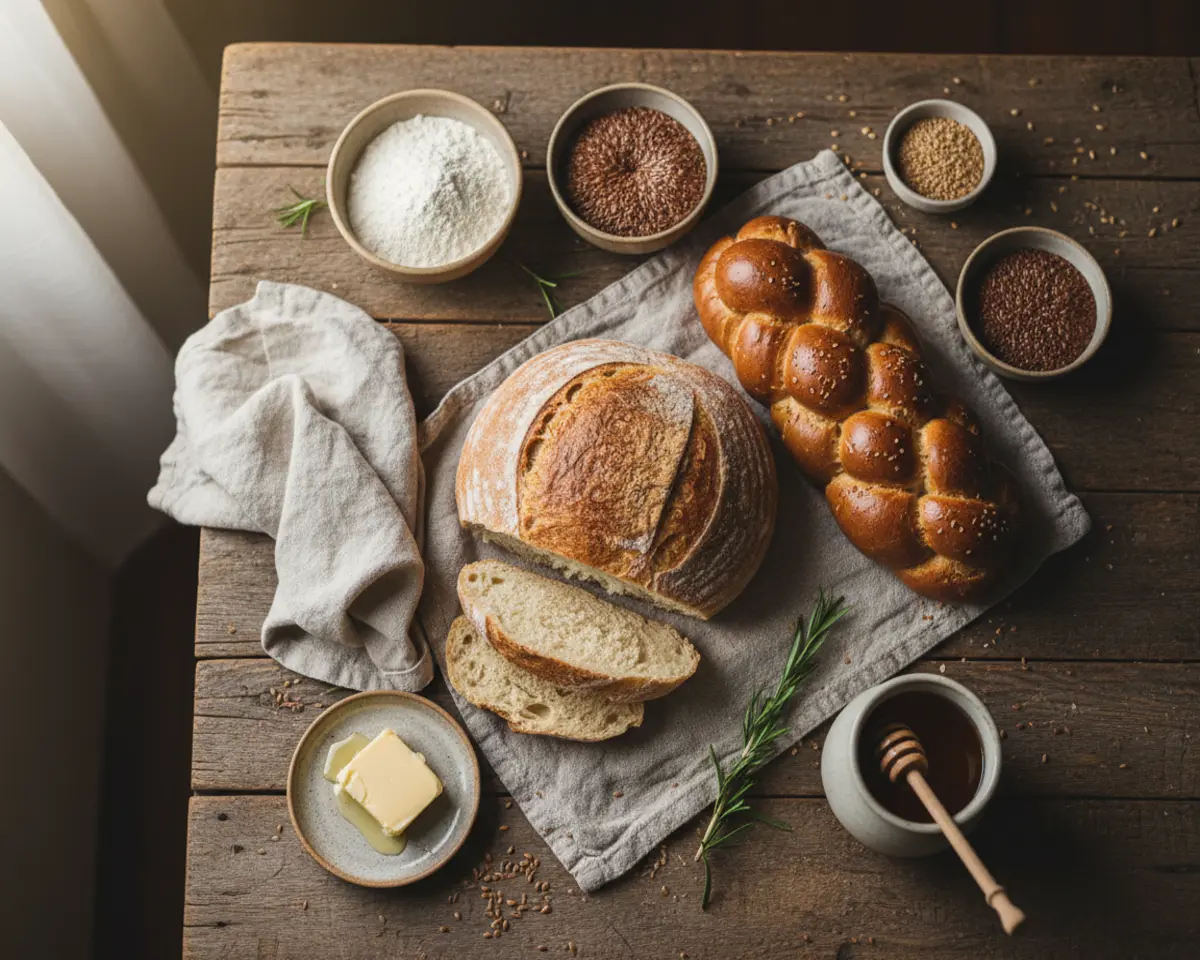
Home baking encompasses everything from no-knead artisan loaves to delicate pastries and everything in between. What unites these recipes is the transformative power of heat applied to flour-based doughs and batters. Each category within homemade bread and baking recipes offers distinct techniques, flavors, and occasions for serving.
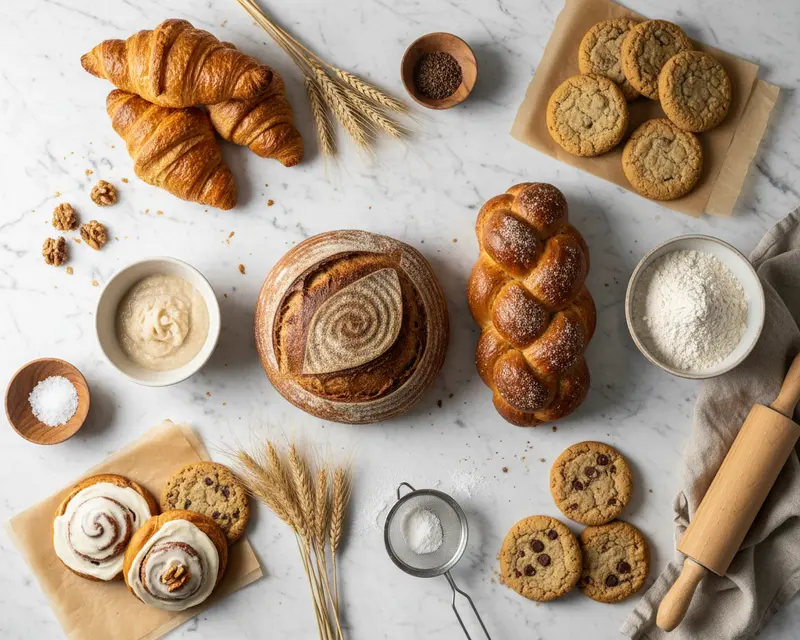
The beauty of baking at home lies in complete control over ingredients. You decide the flour quality, sweetness level, add-ins, and dietary modifications. Fresh bread recipes deliver superior texture and flavor compared to store-bought alternatives, plus you avoid preservatives and additives.
The process itself becomes meditative and rewarding as you develop an intuitive understanding of how dough should look, feel, and smell at each stage.
Whether you’re preparing breakfast pastries, sandwich bread, or celebration cakes, homemade baking fits every schedule and skill level. Some recipes require advance planning and patience, while others come together quickly for last-minute needs. This versatility makes baking accessible to busy weeknight cooks and leisurely weekend enthusiasts alike.
Bagels Rolls Pizzas
This category covers yeasted doughs shaped into individual portions, from chewy New York-style bagels to pillowy dinner rolls and crispy homemade pizzas. Explore complete guides for bagels, rolls, and pizzas to master boiling techniques, shaping methods, and achieving that perfect golden crust that makes these handheld favorites irresistible.
These recipes shine when you’re feeding a crowd or meal prepping for the week ahead. Bagels offer endless topping possibilities and freeze beautifully for quick breakfasts. Dinner rolls elevate holiday tables and weeknight meals alike. Pizza dough transforms into restaurant-quality pies that cost a fraction of delivery prices.
Perfect for intermediate bakers ready to work with yeast, this category teaches essential skills like proper kneading, first and second rises, and shaping techniques. The hands-on nature builds confidence as you watch simple ingredients transform into bakery-worthy creations. Most recipes allow make-ahead preparation, with dough resting overnight in the refrigerator to develop deeper flavors.
Quick Breads Loaves
Quick breads rely on baking powder or baking soda instead of yeast, delivering fresh loaves, biscuits, and scones in under an hour. Discover foolproof quick bread and loaf recipes that require minimal hands-on time and forgive beginner mistakes while producing tender, flavorful results every single time.
This category welcomes absolute beginners and busy cooks who want fresh-baked goods without extended waiting periods. Banana bread, zucchini bread, Irish soda bread, and buttermilk biscuits all fall into this delicious category. The straightforward mixing methods mean less cleanup and faster gratification.
Quick breads excel at using up ripe produce and pantry staples. They adapt easily to dietary restrictions by swapping dairy, eggs, or gluten-containing flours. The forgiving nature means slight variations in mixing time or ingredient ratios rarely result in failure, making these recipes confidence-building starting points for hesitant bakers.
Sourdough Recipes
Sourdough baking harnesses wild yeast and bacteria to create complex flavors, chewy textures, and improved digestibility through natural fermentation. Master sourdough techniques and recipes from maintaining your starter to baking crusty artisan loaves that rival the best bakeries in town.
This category appeals to patient bakers who enjoy the rhythm of feeding starters and planning bakes several days ahead. The time investment rewards you with deeply flavorful bread boasting crispy crusts and open, airy crumb structures. Beyond basic loaves, sourdough discard transforms into pancakes, crackers, and pastries that reduce waste.
Sourdough requires understanding fermentation timing, which varies based on temperature and starter activity. The learning curve feels steeper initially, but once you grasp the fundamentals, sourdough becomes surprisingly flexible. Many bakers find the routine of starter maintenance and dough tending genuinely relaxing and meditative.
Sweet Baking Muffins
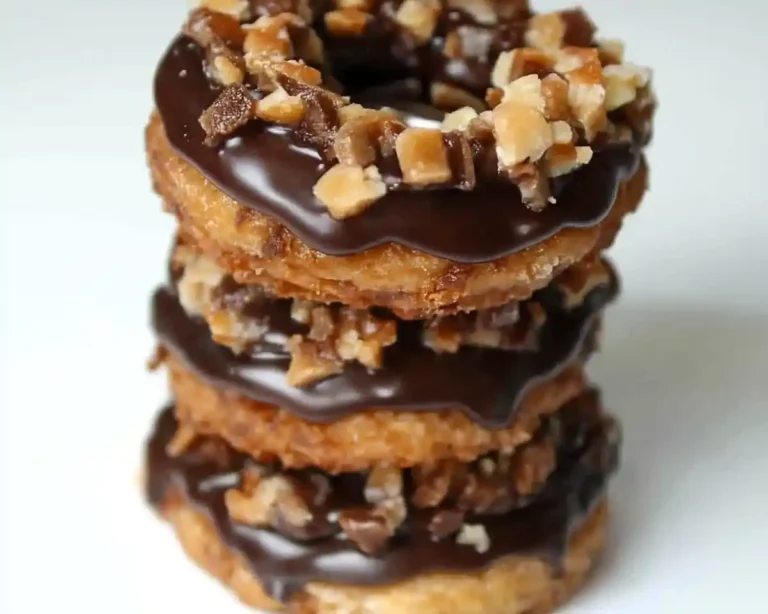
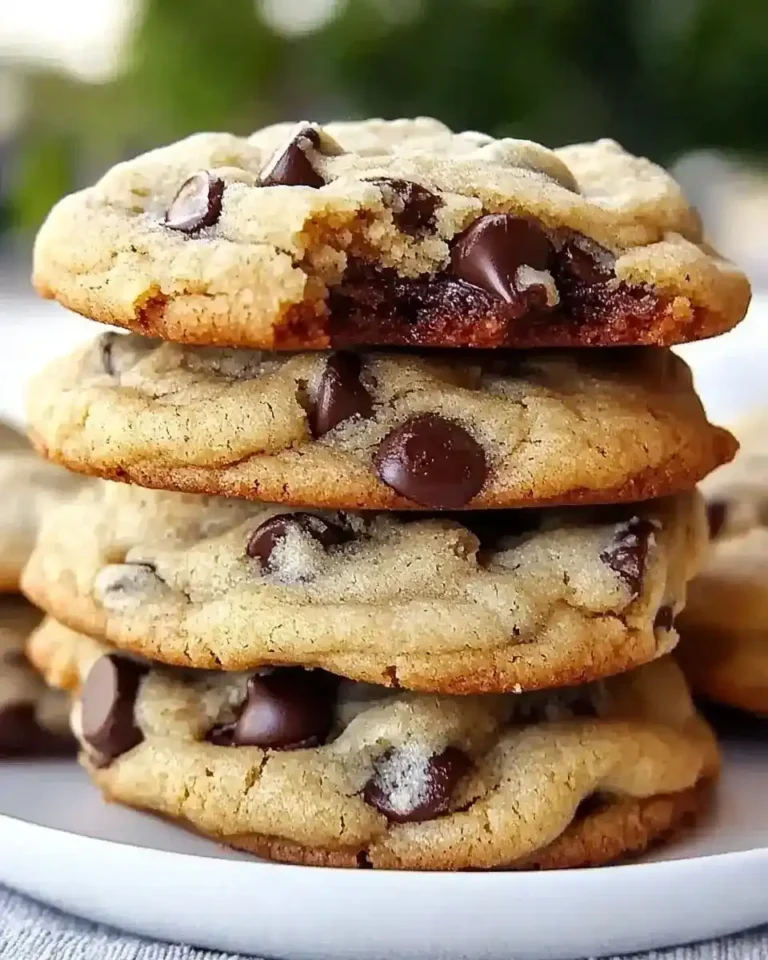
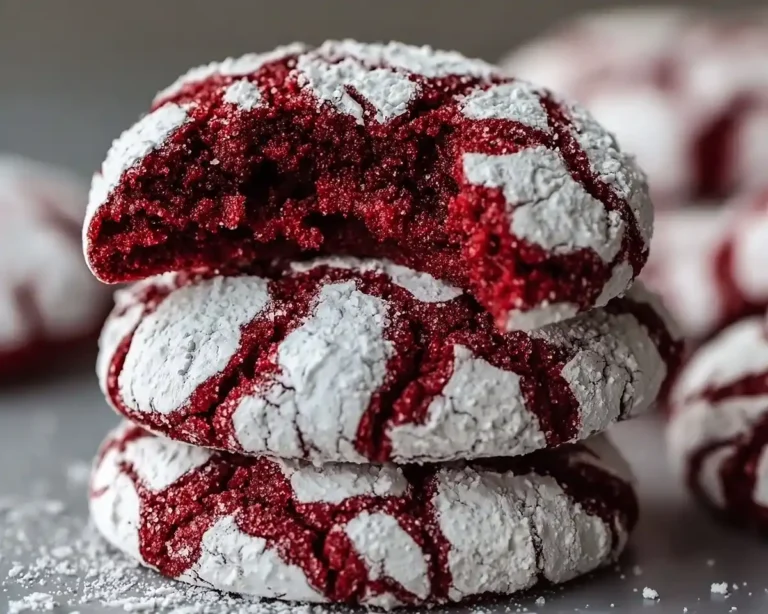
Sweet baked goods span tender muffins, crumbly coffee cakes, decadent brownies, and celebration cakes perfect for breakfast, snacks, or dessert. Browse sweet baking and muffin recipes that balance sugar, fat, and leavening for moist, flavorful treats that disappear quickly from cooling racks.
These recipes satisfy sweet cravings while allowing creative expression through flavor combinations, frostings, and decorative touches. Muffins work beautifully for meal prep, providing grab-and-go breakfasts throughout the week. Layer cakes and cupcakes become centerpieces for celebrations, personalized to honor the guest of honor.
Sweet baking teaches precision in measuring and mixing methods that prevent tough, dense results. Understanding creaming butter and sugar, folding in dry ingredients gently, and recognizing proper doneness creates a foundation for endless recipe variations. These skills transfer across all categories of homemade baking.
Expert Category Guide
Building true baking confidence requires understanding fundamental techniques that apply across multiple recipe types. These core skills transform you from recipe-follower to intuitive baker who can troubleshoot problems and adjust on the fly.
Essential Techniques
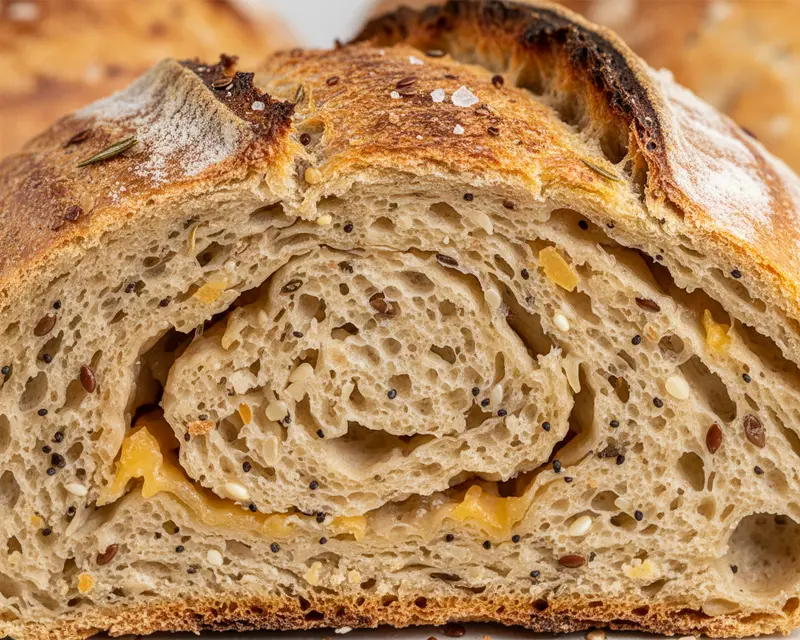
Kneading develops gluten structure in yeasted doughs, creating elasticity that traps gas bubbles for light, airy textures. Proper kneading takes eight to ten minutes by hand until dough becomes smooth and passes the windowpane test. Under-kneaded dough produces dense, heavy results while over-kneading rarely happens with hand methods.
The folding technique applies to quick breads and delicate batters where overmixing causes toughness. Gently incorporate dry ingredients using a spatula in sweeping motions from bottom to top until just combined. Some flour streaks remaining ensure tender results rather than rubbery disappointments.
Proofing allows yeast dough to rise, typically requiring warm environments between seventy-five and eighty degrees. First proofs double the dough volume, while second proofs after shaping take less time. Under-proofed dough bakes dense and heavy, while over-proofed dough collapses and tastes yeasty.
Ingredient Spotlight
Flour forms the foundation of all baking, with different proteins creating varied textures. Bread flour contains higher protein for strong gluten development in chewy breads. All-purpose flour works across most categories for balanced results. Cake flour produces tender, delicate crumb in sweet baked goods through lower protein content.
Yeast comes in active dry, instant, and fresh forms, each requiring slightly different handling. Instant yeast mixes directly into dry ingredients without proofing, saving time and steps. Active dry yeast needs warm water activation first. Fresh yeast delivers superior flavor but requires refrigeration and shorter shelf life.
Fat adds tenderness, flavor, and moisture to baked goods. Butter provides rich taste and flaky texture in pastries. Oil keeps quick breads exceptionally moist and extends shelf life. The fat type dramatically impacts final texture, so substitutions require adjustments to ratios and mixing methods.
Seasonal Considerations
Summer heat accelerates yeast activity and dough rising, requiring cooler water and shorter proofing times. Quick breads shine during summer with fresh berries, stone fruits, and zucchini from gardens. Consider no-knead methods that avoid heating up kitchens during hot months.
Fall welcomes heartier whole grain breads, pumpkin-spiced treats, and apple-studded muffins. Cooler temperatures provide ideal conditions for sourdough fermentation and extended bread baking projects. Holiday baking ramps up with celebration cakes, festive sweet breads, and dinner rolls for gatherings.
Winter calls for warming spices, citrus brightening dark months, and comfort foods like cinnamon rolls. Cold kitchens slow yeast rising, requiring warmer water or longer proofing periods. Spring brings lighter baking with lemon, herbs, and the first berries appearing in sweet recipes and breakfast breads.
Skill Level Guide
Beginners should start with quick breads and muffins that forgive measurement imprecision and mixing variations. These recipes build confidence through reliable success and teach fundamental concepts like proper mixing and doneness testing without yeast complications.
Intermediate bakers ready for yeast work should begin with simple rolls or pizza dough before attempting artisan loaves. Understanding fermentation timing and dough handling develops through repetition. Each bake teaches valuable lessons about how dough should look and feel at different stages.
Advanced bakers tackle sourdough cultivation, laminated pastries, and decorated celebration cakes requiring precision timing and specialized techniques. These projects demand patience and accept that failures provide learning opportunities. Mastery comes from understanding the science behind ingredient interactions and process timing.
Storage & Make-Ahead Tips
Most baked goods freeze beautifully for extended storage. Cool completely before wrapping tightly in plastic wrap, then aluminum foil to prevent freezer burn. Quick breads and muffins freeze for three months, while yeasted breads keep two months frozen.
Bread dough refrigerates overnight for cold fermentation that develops complex flavors and fits busy schedules. Shape rolls or bagels, cover tightly, and refrigerate up to twenty-four hours before the final proof and baking. This technique actually improves flavor depth.
Baked items stay fresh longer stored properly at room temperature. Bread boxes or paper bags maintain crust texture better than plastic, which traps moisture and creates sogginess. Quick breads wrapped in plastic wrap remain moist for several days on countertops.
Comparison & Selection Guide
Choosing the right category depends on your available time, skill level, and what you’re craving. This guide helps you select the perfect baking project based on your specific situation and goals.
Choose bagels, rolls, or pizzas when you’re comfortable working with yeast and want impressive results that feed crowds. These recipes reward you with chewy, golden creations perfect for meal prep or entertaining. The hands-on shaping provides satisfying, creative expression while building fundamental bread-making skills.
Select quick breads and loaves when you need fresh-baked goods quickly without yeast waiting periods. These recipes welcome beginners, forgive mistakes, and use up ripe produce efficiently. Perfect for busy mornings when you want warm muffins or biscuits without advance planning.
Pick sourdough recipes when you embrace slow food philosophy and enjoy the ritual of starter maintenance. This category demands patience but delivers unmatched flavor complexity and artisan-quality loaves. Ideal for weekend bakers who find the fermentation process meditative and rewarding.
Opt for sweet baking and muffins when satisfying dessert cravings or preparing celebration centerpieces. These recipes range from simple breakfast muffins to elaborate decorated cakes, accommodating all skill levels. Choose this category for creative expression through flavor combinations and decorative techniques.
Time-constrained cooks prioritize quick breads and muffins that deliver results in under an hour. Weekend enthusiasts with leisure time enjoy sourdough’s slow fermentation or decorated cakes requiring extended decoration periods. Consider your schedule honestly before selecting projects.
Dietary restrictions guide category selection too. Quick breads adapt easily to gluten-free, dairy-free, and egg-free variations. Sourdough fermentation improves digestibility for those sensitive to commercial yeast. Sweet baking offers numerous substitution options for common allergens.
Ready to transform your kitchen into a home bakery? Start exploring the categories that excite you most, whether that’s mastering the perfect bagel, baking your first sourdough loaf, or creating celebration cakes that wow everyone. Save this guide for reference as you build your baking skills, and pin your favorite category to try first. What will you bake this weekend?
Frequently Asked Questions
What are the essential ingredients needed for basic homemade bread?
The fundamental ingredients for homemade bread include flour, water, yeast, and salt. All-purpose or bread flour works best due to higher protein content. Active dry yeast or instant yeast helps the dough rise. Salt enhances flavor and controls yeast activity. Some recipes add sugar to feed yeast and butter or oil for softness.
How long does homemade bread dough need to rise?
Most bread dough requires two rises. The first rise typically takes 1-2 hours at room temperature until doubled in size. After shaping, the second rise takes 30-60 minutes. Temperature affects rising time – warmer environments speed it up while cooler temps slow it down. You can also do a slow rise in the refrigerator overnight.
Why did my homemade bread turn out dense and heavy?
Dense bread usually results from insufficient rising time, old or inactive yeast, or too much flour. Other causes include not kneading enough to develop gluten, baking at incorrect temperature, or adding salt directly to yeast. Always proof yeast first, measure flour accurately, and ensure dough doubles during rises for light, airy texture.
Can I make bread without a stand mixer or bread machine?
Absolutely! Bread has been made by hand for thousands of years. Mix ingredients in a bowl, then knead on a floured surface for 8-10 minutes until smooth and elastic. Hand kneading develops gluten effectively and gives you better feel for dough texture. It requires more effort but produces excellent results with practice.