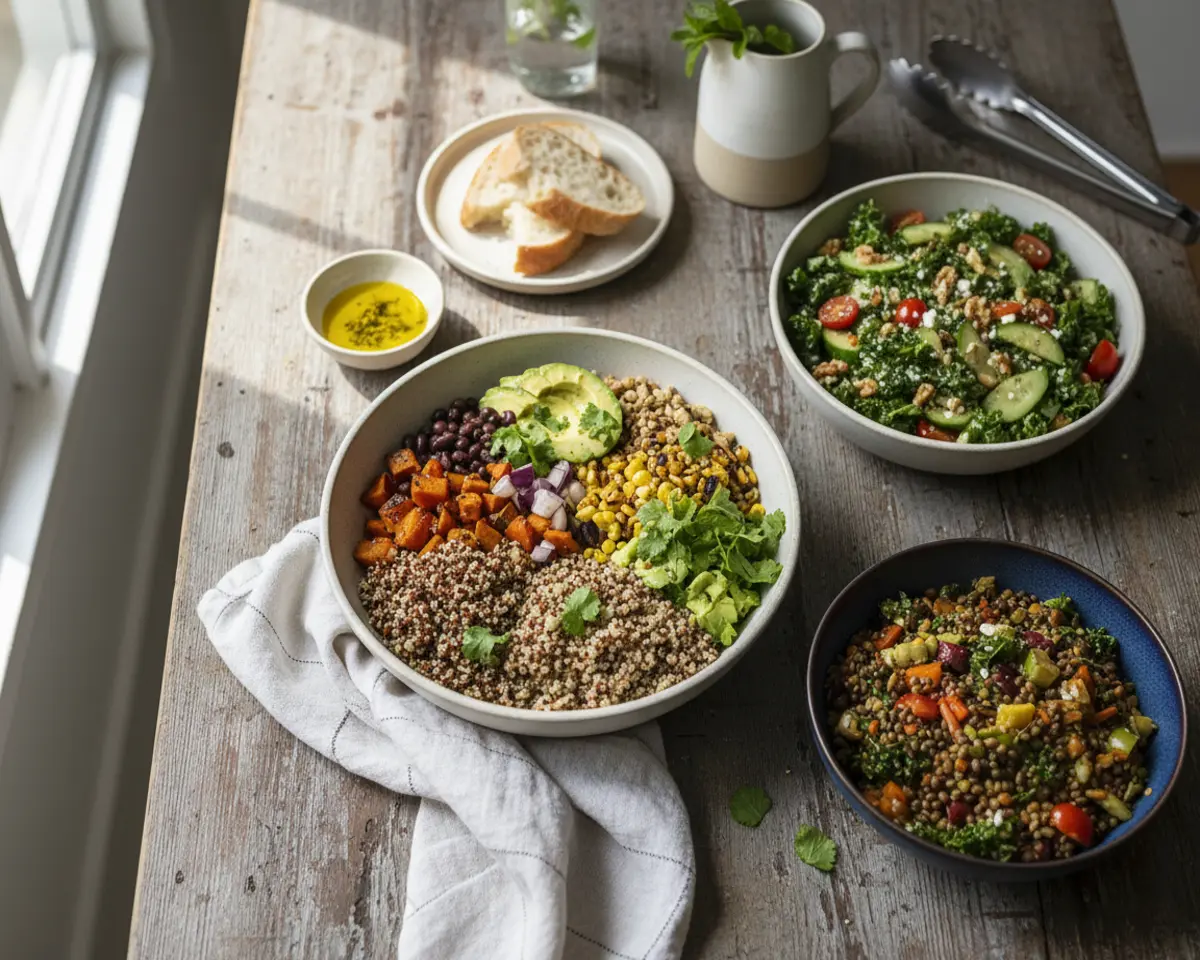
Fresh Salads & Grain Bowl Recipes
I still remember the afternoon my grandmother taught me that a truly great salad isn’t just rabbit food—it’s a celebration. She’d layer textures and colors in h
Your ultimate resource for vibrant, nourishing, and delicious bowls that make healthy eating a joy—from crisp fresh salads to hearty grain-based Buddha bowls.
Table of Contents
I still remember the afternoon my grandmother taught me that a truly great salad isn’t just rabbit food—it’s a celebration. She’d layer textures and colors in her big wooden bowl, tossing crisp lettuce with warm grains, crunchy seeds, and a dressing she’d whisk together without measuring. That kitchen lesson changed everything I thought about salads and grain bowls.
Fresh salads and grain bowl recipes have become my daily go-to for meals that feel both indulgent and nourishing. There’s something deeply satisfying about building a bowl from scratch, combining raw freshness with hearty grains, vibrant vegetables, and proteins that actually keep you full. These aren’t side dishes—they’re complete, colorful meals that happen to love your body back.
After years of experimenting in my own kitchen and teaching countless home cooks, I’ve discovered that the secret to unforgettable bowls lies in understanding the fundamentals: texture contrast, flavor layering, and the art of the perfect dressing.
Whether you’re meal-prepping for the week or creating an impressive dinner, this comprehensive guide will walk you through everything you need to master this versatile category.
The Quick Guide
Here’s what you need to know about creating outstanding fresh salads and grain bowls:
- Balance is everything: Combine crisp raw vegetables, hearty grains or bases, quality protein, healthy fats, and a flavor-packed dressing
- Texture matters: Mix crunchy, creamy, chewy, and crispy elements in every bowl for maximum satisfaction
- Prep smart: Most components can be prepared 2-3 days ahead and assembled fresh when you’re ready to eat
- Season generously: Each component should be seasoned individually—bland grains or vegetables will never create an exciting bowl
- Think beyond lettuce: Explore grain bases, roasted vegetables, and creative combinations that transform simple ingredients into restaurant-worthy meals
Understanding Fresh Salads & Grain Bowl Recipes
The beauty of salad recipes and grain bowl recipes lies in their incredible versatility. These dishes work for quick weekday lunches, elegant dinner parties, meal prep sessions, or those moments when you want something wholesome but utterly delicious. They’re equally at home in your office lunchbox or plated beautifully for guests.
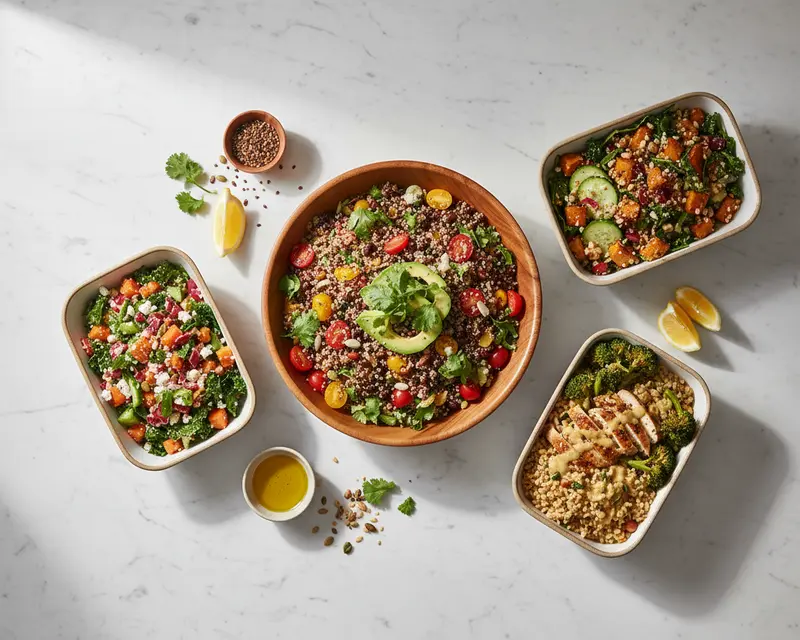
What sets exceptional bowls apart is the thoughtful layering of components. Unlike traditional salads that might feel one-dimensional, these recipes build complexity through contrasting temperatures, varied textures, and bold flavor combinations. A warm grain base topped with cool crisp vegetables, creamy avocado, and a zingy dressing creates an eating experience that keeps every bite interesting.
These recipes shine year-round because they adapt beautifully to seasonal produce. Spring brings tender greens and fresh herbs, summer offers juicy tomatoes and sweet corn, fall introduces roasted squash and hearty grains, while winter calls for robust kale and warming spices. The foundation remains consistent while the details shift with what’s freshest.
Fresh Salads
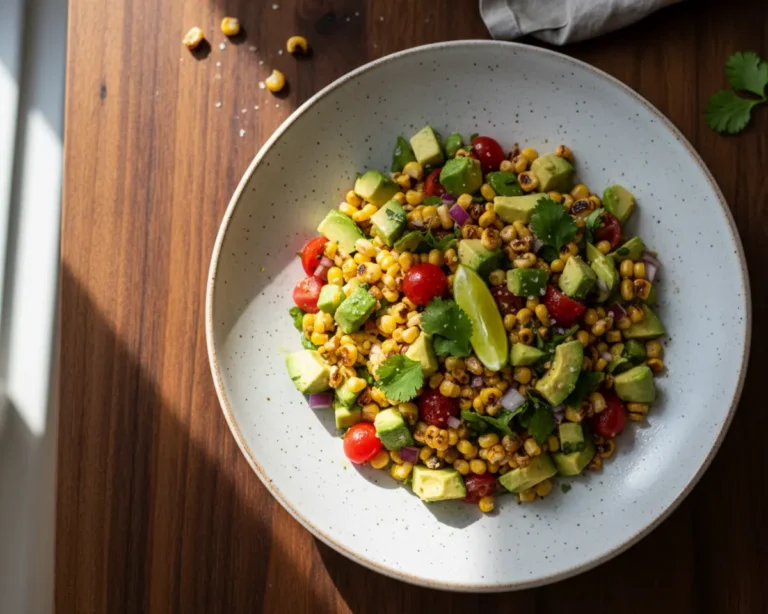
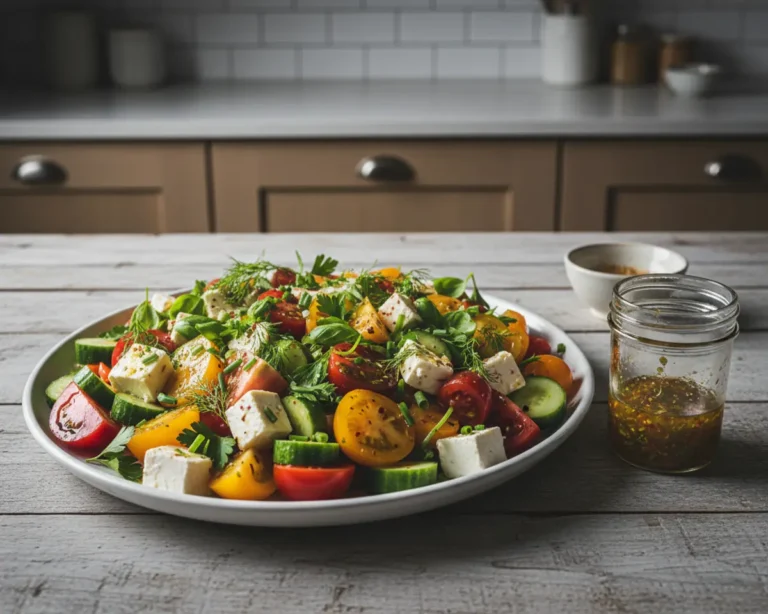
When you crave crisp, refreshing dishes that celebrate raw vegetables at their finest, fresh salads deliver bright flavors and satisfying crunch in every forkful. These recipes showcase the natural sweetness of ripe tomatoes, the peppery bite of arugula, and the satisfying snap of fresh cucumbers.
Perfect for warm weather meals, light lunches, or as vibrant side dishes that steal the show, fresh salads require minimal cooking but maximum attention to quality ingredients. They’re ideal when you want something quick, cooling, and packed with vitamins—especially during those hot summer days when turning on the stove feels impossible.
Grain Buddha Bowls
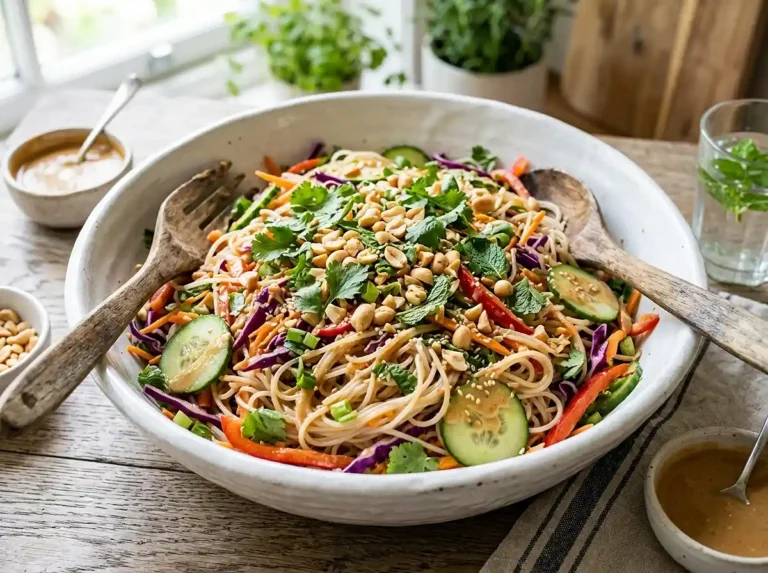
For hearty, nourishing meals that keep you energized for hours, grain Buddha bowls combine wholesome grains with colorful vegetables and satisfying proteins in one beautiful, balanced dish. These bowls feature bases like quinoa, farro, brown rice, or bulgur topped with an array of textures and flavors.
Buddha bowls excel at meal prep and make fantastic post-workout meals or filling dinners when you need real sustenance. They’re particularly beloved by anyone seeking plant-forward eating without sacrificing satisfaction, and they’re endlessly customizable to dietary preferences and whatever ingredients you have on hand.
Green Vegetable Salads
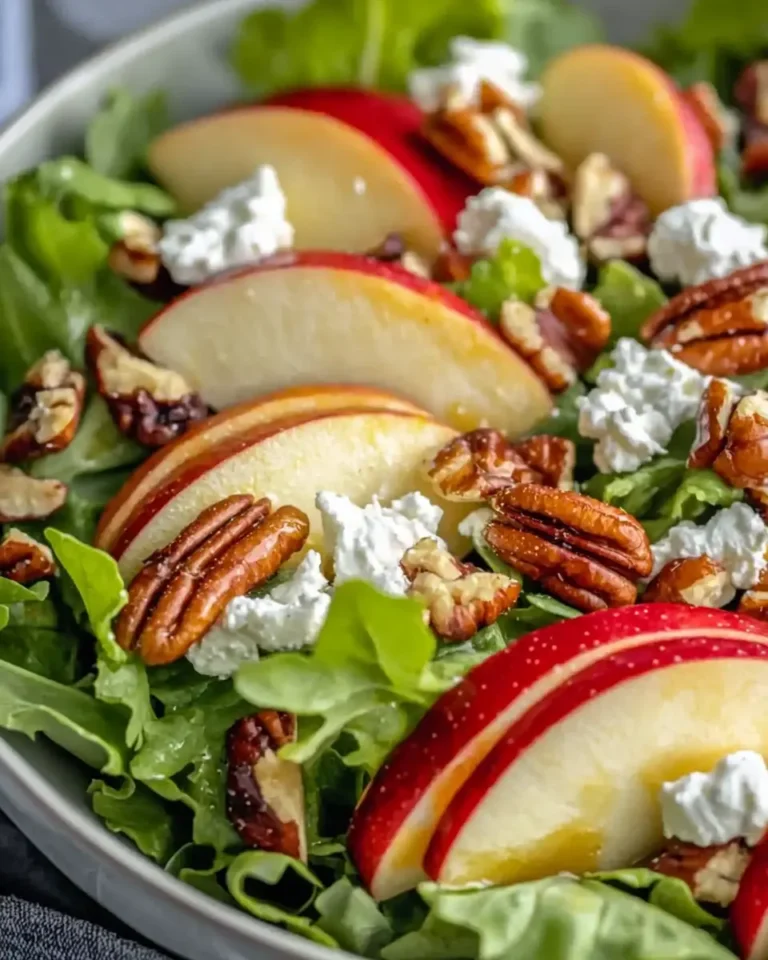
When you want to maximize your vegetable intake with dishes that actually taste amazing, green vegetable salads showcase leafy greens and verdant vegetables in combinations that prove healthy eating can be genuinely delicious. Think beyond basic garden salads to creative preparations featuring kale, Brussels sprouts, snap peas, and fresh herbs.
These recipes work beautifully as detoxifying meals, elegant first courses, or substantial lunches when paired with quality protein. They’re perfect for anyone focused on nutrient density, and they’re surprisingly hearty when you incorporate techniques like massaging kale or roasting vegetables to bring out natural sweetness.
Pasta Potato Salads
For comfort-food salads that satisfy at potlucks, barbecues, and family gatherings, pasta and potato salads deliver creamy, hearty goodness that everyone loves. These classics feature tender pasta or fluffy potatoes bound with flavorful dressings and mixed with crunchy vegetables and savory additions.
These recipes shine at room temperature, making them perfect for picnics, cookouts, and make-ahead meals. They’re ideal when you need something filling that travels well, and they’re endlessly adaptable—from classic mayo-based versions to lighter vinaigrette styles that feel fresh and modern.
Protein Packed Salads
When you need a meal that’s as satisfying as it is nutritious, protein-packed salads combine quality proteins with fresh vegetables for bowls that fuel your body and keep hunger at bay. These recipes feature grilled chicken, seared salmon, chickpeas, hard-boiled eggs, or tofu alongside crisp greens and vibrant toppings.
Perfect for fitness-focused eating, post-workout recovery, or simply staying fuller longer, these salads prove that high-protein meals can be light and refreshing. They’re particularly valuable for anyone balancing nutrition goals with a busy schedule, since they’re quick to assemble yet genuinely filling.
Expert Category Guide
Mastering fresh salads and grain bowls means understanding the techniques and principles that transform ordinary ingredients into extraordinary meals. Let’s dive into the essential knowledge that’ll elevate every bowl you create.
Essential Techniques
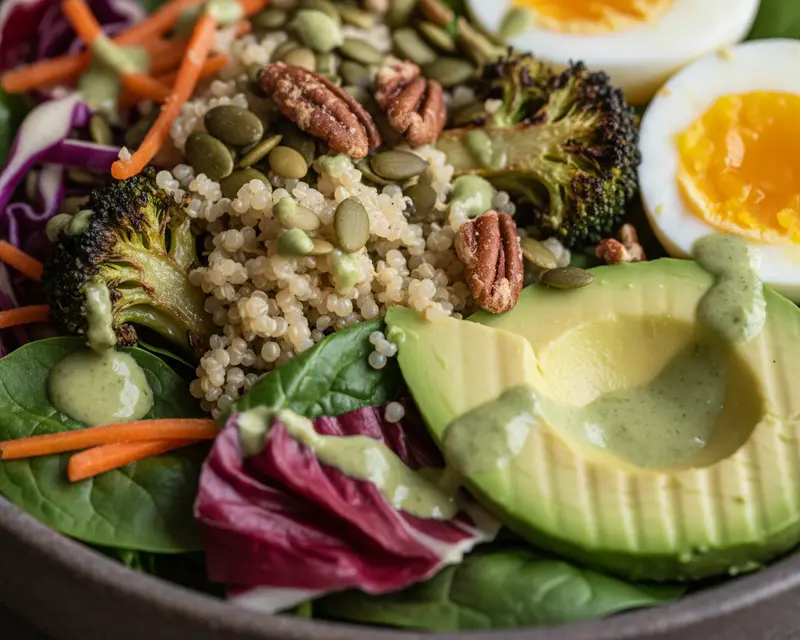
The foundation of exceptional bowls starts with properly cooking your grains. Rinse quinoa thoroughly to remove bitterness, toast grains in a dry pan before cooking to deepen their flavor, and use stock instead of water whenever possible. Always fluff cooked grains with a fork and spread them on a sheet pan to cool—this prevents clumping and creates the perfect texture.
For greens, the massage technique revolutionizes tough leaves like kale. Drizzle with a bit of dressing or lemon juice, then literally massage the leaves with your hands for two minutes. This breaks down cell walls, softens the texture, and makes nutrients more bioavailable. It’s a game-changer that turns bitter greens into tender, sweet bites.
Dressing application matters more than most people realize. Never dump all your dressing on top—start with half the amount you think you need, toss thoroughly, then add more if needed. This ensures even coating without soggy, overdressed results. For grain bowls, you can dress the warm grains separately from the cold vegetables for better flavor distribution.
Ingredient Spotlight
Quality olive oil forms the backbone of most great dressings. Invest in a good extra-virgin variety with fruity, peppery notes—it makes a noticeable difference. Pair it with acid like lemon juice, red wine vinegar, or apple cider vinegar, plus a touch of Dijon mustard for emulsification and depth.
Fresh herbs aren’t just garnish—they’re essential flavor components. Cilantro, parsley, basil, mint, and dill add brightness that transforms bowls from good to unforgettable. Tear or roughly chop them just before serving, and don’t be shy—use whole handfuls rather than timid sprinkles.
Nuts and seeds provide crucial textural contrast and healthy fats. Toast them in a dry skillet until fragrant before adding to bowls—this simple step amplifies their flavor exponentially. Keep toasted varieties in your pantry in airtight containers for quick assembly.
Seasonal Considerations
Spring calls for tender baby greens, snap peas, radishes, and fresh herbs. This is when lighter vinaigrettes shine and you’ll want to showcase the delicate flavors of the season’s first vegetables. Asparagus and strawberries make surprising but delightful salad additions during these months.
Summer brings peak tomato season, sweet corn, cucumbers, and stone fruits. Embrace raw preparations that celebrate these ingredients at their ripest. Heavier grain bowls can feel less appealing in heat, so consider quinoa or lighter grains, and serve everything well-chilled.
Fall introduces heartier greens like kale and Swiss chard, roasted root vegetables, and warming grains like farro. This is when you’ll want to incorporate roasted elements, dried fruits, and warming spices. Buddha bowls truly shine during autumn months with their comforting, substantial nature.
Winter demands robust flavors and textures. Massaged kale, roasted Brussels sprouts, winter squash, and citrus fruits become your best friends. Warm grain bowls with roasted vegetables feel especially satisfying, and this is the perfect time for heartier dressings with tahini or miso.
Skill Level Guide
Beginners should start with simple fresh salads using pre-washed greens, a basic vinaigrette, and just three to four additional components. Master the formula of greens plus vegetables plus protein plus crunch plus dressing. Once this feels natural, you’re ready to progress.
Intermediate cooks can tackle grain Buddha bowls with multiple cooked components. Practice cooking various grains perfectly, learn to roast vegetables until caramelized, and experiment with homemade dressings beyond basic vinaigrettes. Try recipes with five to seven different elements that require some advance preparation.
Advanced bowl-makers should explore complex flavor profiles, make everything from scratch including pickled elements and specialty dressings, and master the art of balancing temperatures and textures. Challenge yourself with recipes that require timing multiple components to come together at their peak.
Storage & Make-Ahead Tips
Grains keep beautifully for four to five days when stored properly. Cook a big batch on Sunday, cool completely, then refrigerate in airtight containers. They can go straight from fridge to bowl, or warm them briefly in the microwave if you prefer.
Dressings should always be stored separately and added just before eating. Most vinaigrettes last a week in the refrigerator, while creamy dressings stay fresh for three to four days. Store in glass jars and shake vigorously before using.
Prep vegetables strategically—hardy vegetables like carrots, bell peppers, and broccoli can be chopped three days ahead, while delicate ingredients like avocado and tomatoes should be prepared the day you’ll eat them. Store prepped vegetables in containers lined with paper towels to absorb excess moisture.
For meal prep success, pack bowls in layers with dressing on the bottom, sturdy vegetables next, grains or pasta above that, and delicate greens on top. When you’re ready to eat, shake everything together. This method keeps everything fresh and prevents sogginess.
Comparison & Selection Guide
Choosing the right type of bowl depends on your specific needs and preferences. Here’s how to navigate your options for different situations.
Choose Fresh Salads when you want something light and quick that celebrates raw vegetables in their prime. These work best for hot weather, when you’re short on time, or when you need a refreshing side dish. They’re perfect if you’re focused on maximizing raw vegetable intake or want something that comes together in under ten minutes.
Skip these if you need substantial fuel for physical activity or want something that travels well for hours.
Choose Grain Buddha Bowls when you need lasting energy and satisfying substance. These shine for meal prep, post-workout meals, or when you’re feeding people with hearty appetites. They’re ideal for cold weather comfort or when you want plant-forward eating that actually fills you up.
They require more advance planning than fresh salads but reward you with meals that hold beautifully and taste even better the next day.
Choose Green Vegetable Salads when you’re prioritizing nutrient density and want to load up on leafy greens without feeling like you’re choking down health food. These work wonderfully as detox-focused meals, elegant first courses, or when you want something virtuous that genuinely tastes good.
They’re particularly valuable during seasons when local greens are abundant and you want to make the most of them.
Choose Pasta Potato Salads for gatherings, potlucks, and times when you need something crowd-pleasing that serves well at room temperature. These are your go-to for outdoor events, family reunions, or anytime you’re feeding a group with varied preferences. They’re comfort food that happens to include vegetables, making them perfect when you want familiar flavors rather than adventurous eating.
Choose Protein Packed Salads when you’re balancing nutrition goals, need sustained fullness, or want a complete meal in one bowl. These excel for busy professionals, fitness-focused eaters, or anyone trying to increase protein intake without resorting to shakes and bars.
They’re particularly smart for lunch since they prevent afternoon energy crashes while remaining lighter than traditional protein-heavy meals.
For weight management, both fresh salads and protein-packed options work beautifully, though protein varieties will keep you fuller longer. If you’re gluten-free, focus on grain bowls with quinoa, rice, or gluten-free grains, and skip pasta salads unless using certified gluten-free pasta.
For vegan eating, Buddha bowls and green vegetable salads adapt most easily, while traditional pasta and potato salads often require more creative substitutions.
Time-strapped cooks will appreciate fresh salads for speed and grain bowls for meal prep efficiency. If you’re new to cooking, start with fresh salads to build confidence, then progress to grain bowls as your skills develop. Experienced cooks can dive straight into complex Buddha bowls with multiple components that showcase advanced techniques.
Your Bowl Journey Starts Here
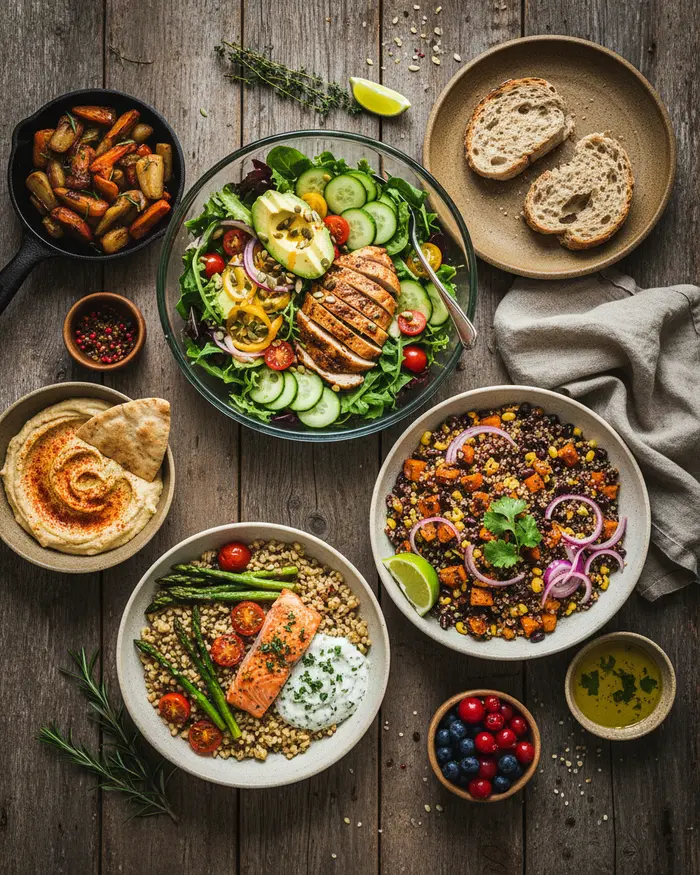
You now have everything you need to create vibrant, nourishing bowls that make healthy eating feel like a celebration rather than a chore. Start by exploring whichever category speaks to your current needs—maybe it’s the quick satisfaction of fresh salads or the meal-prep magic of grain Buddha bowls.
Save this guide for easy reference whenever you’re planning your weekly meals, and don’t hesitate to mix techniques across categories. The best bowl-makers I know combine principles from multiple styles to create their own signature creations. This isn’t about following rules—it’s about discovering what makes your taste buds and body equally happy.
Which category will you explore first? Are you drawn to the crisp freshness of raw salads, the hearty comfort of grain bowls, or maybe the crowd-pleasing nature of pasta salads? Pin your favorite recipes for easy access, and I’d love to hear which combinations become your go-to meals. Drop a comment sharing your bowl creations—I’m always inspired by how readers make these recipes their own.
Frequently Asked Questions
How long can I store prepared grain bowls in the refrigerator?
Prepared grain bowls can be stored in airtight containers for 3-4 days in the refrigerator. Store dressing separately to prevent soggy ingredients. Keep proteins, cooked grains, and vegetables in separate compartments if possible. Always refrigerate within 2 hours of preparation and reheat grains and proteins thoroughly before eating.
What are the best grains to use for grain bowls?
Popular grain options include quinoa, brown rice, farro, bulgur, and barley. Quinoa cooks quickly and is protein-rich. Farro offers a nutty flavor and chewy texture. Brown rice is versatile and budget-friendly. Barley provides excellent fiber content. Choose based on cooking time, nutritional needs, and desired texture.
How do I keep salads fresh and crispy for meal prep?
Store washed and dried greens in containers lined with paper towels to absorb moisture. Keep dressing separate until serving. Add crunchy toppings like nuts and croutons just before eating. Use airtight containers and store in the crisper drawer. Hardier greens like kale and romaine last longer than delicate varieties.
What proteins work best in grain bowls and salads?
Versatile protein options include grilled chicken, baked salmon, hard-boiled eggs, chickpeas, tofu, and edamame. For plant-based options, try black beans, lentils, or tempeh. Proteins should be fully cooked and cooled before adding to bowls. Season well and consider marinating for extra flavor.
How can I make my grain bowls and salads more flavorful?
Layer flavors with homemade dressings using citrus, herbs, and quality oils. Add pickled vegetables for tang, roasted vegetables for depth, and fresh herbs for brightness. Include textural elements like toasted seeds, nuts, or crispy chickpeas. Season grains while cooking and build combinations with complementary flavors.