Cozy Soup & Hearty Stew Recipes
There’s something about a steaming bowl of soup that just makes everything feel right in the world. I’ll never forget coming home from school on rainy afternoon
Discover the complete collection of comforting soup and stew recipes that’ll warm your soul through every season. Your comprehensive guide to mastering bowl-worthy favorites.
Table of Contents
There’s something about a steaming bowl of soup that just makes everything feel right in the world. I’ll never forget coming home from school on rainy afternoons to find my grandmother’s stockpot bubbling away on the stove, filling the entire house with the most incredible aroma.
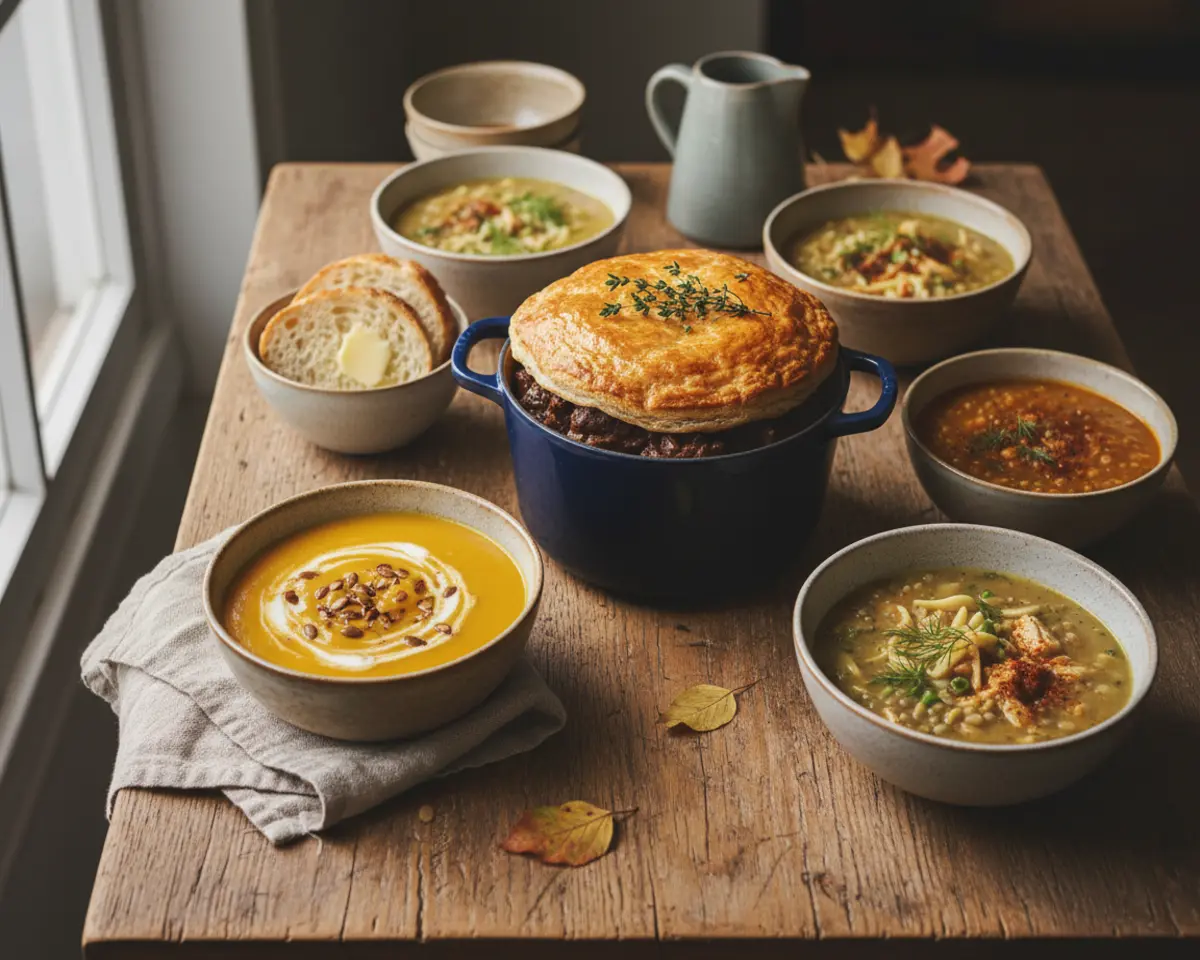
That feeling of warmth and comfort isn’t just nostalgia, it’s the magic that cozy soup and hearty stew recipes bring to our tables.
Over my years of cooking and recipe development, I’ve learned that soups and stews are the ultimate comfort food canvas. They’re forgiving, adaptable, and somehow taste even better the next day. Whether you’re brand new to cooking or a seasoned home chef, there’s always room to expand your soup repertoire.
What I love most about soup and stew recipes is how they transform simple ingredients into something extraordinary. A few vegetables, some broth, the right seasonings, and suddenly you’ve created a meal that nourishes both body and spirit. That’s the kind of cooking that keeps me coming back to my kitchen day after day.
The Quick Guide
Before we dive into the wonderful world of soups and stews, here are the essentials you need to know about this cozy category:
- Soups and stews are among the most versatile, forgiving recipes you’ll ever make, perfect for beginners and experienced cooks alike
- They’re ideal for meal prep, batch cooking, and using up ingredients you already have on hand
- Most recipes can be adapted for dietary needs, from vegetarian to gluten-free to dairy-free
- The longer cooking times develop deep flavors while requiring minimal active cooking effort
- Nearly all soups and stews freeze beautifully, giving you ready-made comfort meals whenever you need them
What Makes Soup & Stew Recipes Special
Cozy soup and hearty stew recipes hold a unique place in home cooking. Unlike quick sautés or simple salads, these dishes develop character through time and patience. The slow melding of flavors creates something greater than the sum of its parts.
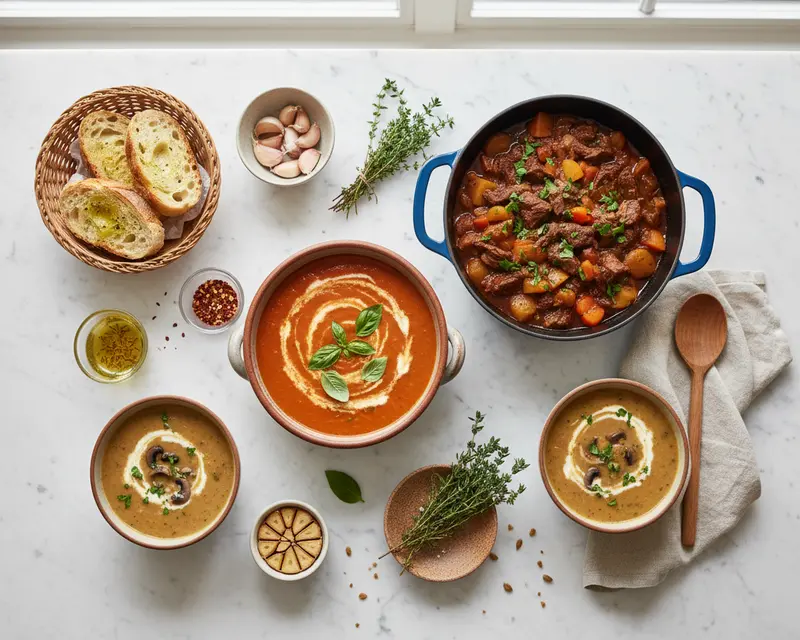
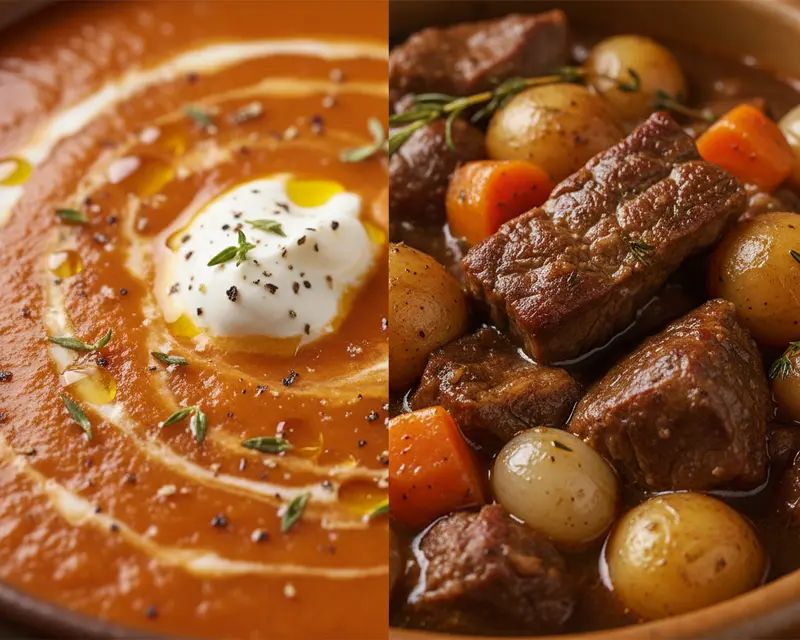
What defines this category is the comforting nature of one-pot meals that nourish and satisfy. Soups tend to be broth-forward with more liquid, while stews are thicker and more substantial. Both offer endless variety in flavor profiles, from light and brothy to rich and creamy, from simple vegetable combinations to complex meat-based preparations.
You’ll want recipes from this category when the weather turns cold, when someone’s feeling under the weather, or when you simply crave something warming and wholesome. They’re perfect for busy weeknights because many can simmer unattended, and they’re ideal for feeding a crowd without breaking your budget.
What makes these recipes truly special is their ability to adapt to whatever you have available. Short on one vegetable? Swap in another. Need to stretch the recipe? Add more broth and vegetables. This flexibility makes soup and stew cooking incredibly practical while still delivering restaurant-quality results at home.
Beef Pork Stews
When you’re craving something truly substantial and deeply satisfying, nothing quite compares to a well-made beef or pork stew. These hearty beef and pork stew recipes feature tender chunks of meat that have been slowly braised until they practically fall apart at the touch of your spoon.
This category is perfect for weekend cooking when you have time to let flavors develop, or for tossing everything into a slow cooker before you head out for the day. The rich, meaty broths paired with root vegetables create meals that satisfy even the heartiest appetites, making them ideal for cold winter nights or feeding hungry family members after outdoor activities.
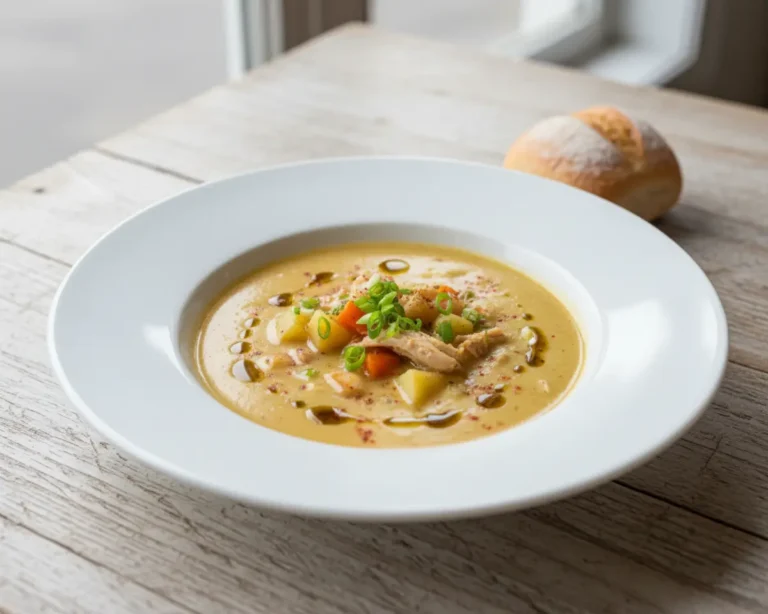
Chicken Turkey Soups
Lighter than beef-based options but no less comforting, chicken and turkey soups offer incredible versatility and crowd-pleasing appeal. These nourishing chicken and turkey soup recipes range from classic remedies for cold days to creative combinations that’ll surprise your taste buds.
Choose this category when you want comfort without heaviness, or when you’re using up leftover roasted poultry. These soups come together relatively quickly compared to beef stews, making them perfect for weeknight meals. They’re also wonderfully adaptable to different flavor profiles, from Asian-inspired broths to creamy European-style preparations.
Classic Soups
Sometimes you just want the familiar favorites that have stood the test of time, and that’s exactly what you’ll find here. These timeless classic soup recipes include the dishes you remember from childhood, restaurant favorites you want to recreate at home, and the soups that never go out of style.
This collection is ideal for home cooks who want reliable, tried-and-true recipes that everyone recognizes and loves. Whether you’re making French onion soup for a dinner party or tomato soup for grilled cheese night, these classics deliver every single time with flavors that feel like coming home.
Noodle Pasta Soups
There’s something uniquely satisfying about slurping noodles from a steaming bowl of soup. These comforting noodle and pasta soup recipes combine the best of both worlds: hearty, filling noodles swimming in flavorful broth that warms you from the inside out.
This category shines when you want a complete meal in one bowl, no sides necessary. From Asian-style ramen to Italian pastina, these soups offer incredible variety while remaining approachably simple. They’re perfect for sick days, quick weeknight dinners, or when you’re craving something both comforting and substantial without too much prep work.
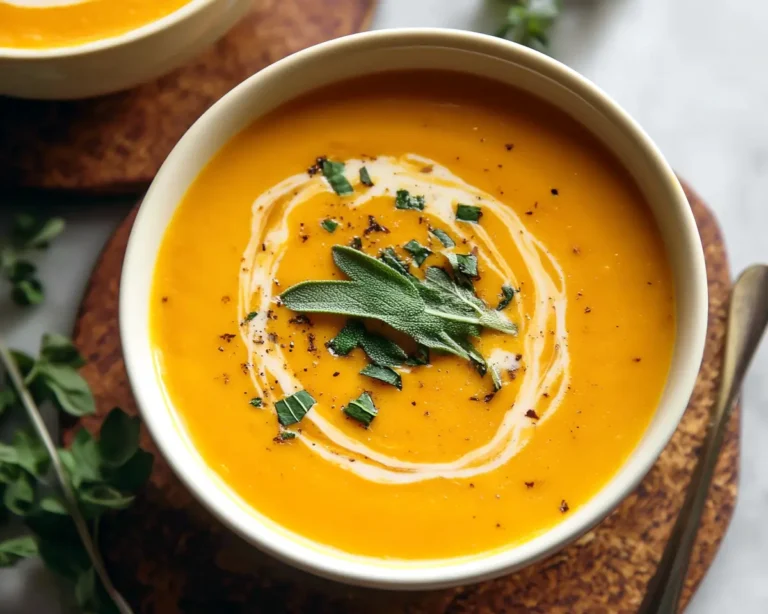
Vegetable Potato Soups
Vegetables take center stage in these nourishing, plant-forward soups that prove meatless meals can be just as satisfying. These wholesome vegetable and potato soup recipes celebrate seasonal produce while creating incredibly flavorful bowls that vegetarians and meat-eaters alike will devour.
Choose this category when you want to lighten things up, showcase fresh produce, or simply take a break from heavy meat-based meals. These soups are budget-friendly, often naturally vegan or easily adaptable, and they’re a wonderful way to increase your vegetable intake without sacrificing an ounce of comfort or satisfaction.
Expert Category Guide
Mastering the art of soup and stew making opens up a world of delicious possibilities. Let’s dive into the essential knowledge that’ll transform you from a soup novice to a confident bowl master.
Essential Techniques
The foundation of great soup starts with proper layering of flavors. Always begin by sautéing your aromatics, typically onions, garlic, celery, and carrots, in a bit of fat until they’re softened and fragrant. This builds a flavor base that permeates the entire dish.
Browning meat before adding liquid creates depth through the Maillard reaction. Don’t skip this step even though it’s tempting. Those caramelized bits stuck to the pot bottom, called fond, contain incredible flavor that gets released when you add your liquid and scrape them up.
Learning to build and adjust seasoning throughout the cooking process rather than just at the end makes all the difference. Salt draws out moisture and helps vegetables soften, while herbs and spices need time to bloom and meld with other ingredients.
Temperature control matters more than you might think. Gentle simmers rather than rolling boils keep meat tender and prevent vegetables from turning to mush. Patience with low heat develops complex flavors that rushed cooking simply can’t achieve.
Ingredient Spotlight
Quality broth forms the backbone of exceptional soups. Homemade stock is wonderful when you have time, but don’t let perfect be the enemy of good. A high-quality store-bought broth works beautifully when enhanced with fresh herbs and a splash of wine or acid.
Aromatics like onions, garlic, celery, and carrots appear repeatedly because they create that savory foundation we associate with comfort food. Keep these staples on hand and you’re always ready to start a pot of soup.
Acid brightens and balances rich flavors. A squeeze of lemon juice, splash of vinegar, or spoonful of tomato paste at the end of cooking can transform a flat-tasting soup into something spectacular. It’s the secret ingredient that makes people ask what makes your soup taste so good.
Fresh herbs added at the end preserve their vibrant flavor and color, while dried herbs benefit from longer cooking times. Understanding this timing difference elevates your results significantly.
Seasonal Considerations
Fall and winter naturally call for heartier, richer preparations. Root vegetables, dark leafy greens, and warming spices align perfectly with cooler weather cravings. This is when beef stews and creamy potato soups truly shine on your dinner table.
Spring and summer invite lighter broths and fresh vegetable combinations. Think bright pea soups, chilled preparations, and recipes that celebrate delicate seasonal produce without the heavy cream and long cooking times of their winter counterparts.
Taking advantage of seasonal produce not only ensures better flavor and nutrition but also keeps your grocery costs down. Butternut squash soup makes sense in October, while fresh tomato soup belongs to August gardens.
Skill Level Guide
Beginners should start with broth-based soups featuring pre-cut vegetables and simple seasonings. Classic chicken noodle soup or vegetable soup builds confidence without overwhelming you with technique. These recipes forgive small timing mistakes and still deliver delicious results.
Intermediate cooks can tackle recipes requiring browning meat, building roux for creamy soups, or balancing more complex flavor profiles. You’ll develop instincts for when something needs more salt, acid, or cooking time through practice with varied recipes.
Advanced home cooks might explore making stocks from scratch, working with tougher cuts of meat that require precise braising, or creating restaurant-quality pureed soups with perfect texture. These skills come with time and experimentation, not overnight.
Storage & Make-Ahead Tips
Most soups and stews taste even better the next day after flavors have had time to meld in the refrigerator. Plan ahead by making double batches, knowing you’re setting yourself up for easy future meals that just need reheating.
Freezing works beautifully for most recipes, with a few exceptions. Avoid freezing soups with pasta, potatoes, or cream, as these ingredients don’t maintain their texture well. Add these components fresh when reheating instead.
Cool soups quickly before refrigerating by placing the pot in an ice bath or transferring to shallow containers. This prevents bacterial growth and maintains food safety, especially important with meat-based preparations.
Store soups in portion-sized containers for easy grab-and-go lunches or single-serving dinners. Label everything with the name and date so your future self knows exactly what’s waiting in the freezer.
Comparison & Selection Guide
Choosing between different soup categories doesn’t have to feel overwhelming. Let’s break down how to select the perfect recipe for your specific situation and preferences.
Choose beef or pork stews when you want the heartiest, most substantial meal possible. These work best when you have several hours for cooking or can use a slow cooker, and they’re ideal for feeding people with big appetites or after physically demanding activities. They’re your go-to for cold winter weekends and cozy dinner parties.
Pick chicken or turkey soups when you need something comforting but lighter, especially if you’re cooking for someone who’s under the weather. These come together faster than beef stews and offer incredible versatility for different flavor profiles. They’re perfect for weeknight cooking when you want homemade comfort without a huge time investment.
Select classic soups when you want familiar flavors that please everyone at the table. These recipes work beautifully for introducing soup-making to beginners or when cooking for picky eaters who prefer tried-and-true dishes. They’re your reliable choices for casual entertaining or family meals.
Go with noodle and pasta soups when you want a complete one-bowl meal that satisfies without needing sides. These are excellent for quick dinners, feeding hungry teenagers, or when you’re craving Asian-inspired flavors. They strike a perfect balance between comfort and convenience.
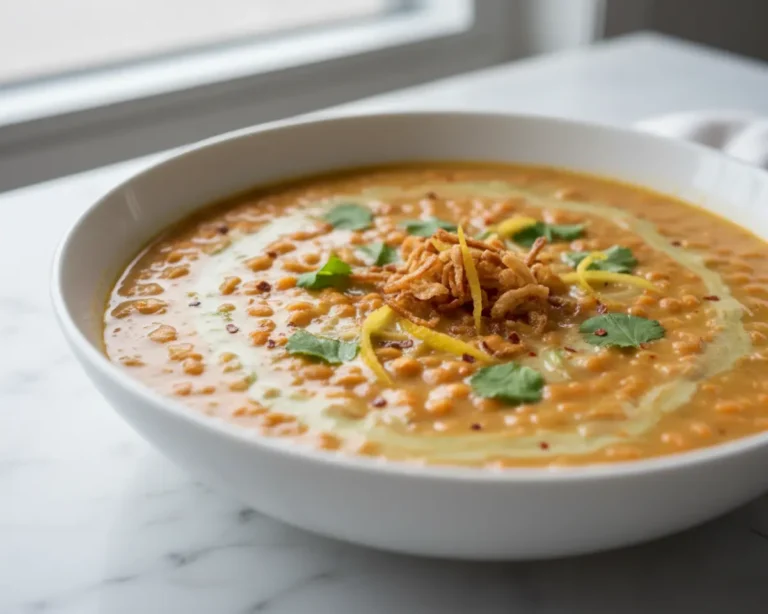
Opt for vegetable and potato soups when you want to lighten things up, use abundant seasonal produce, or accommodate vegetarian diners. These shine during transitional seasons when you want something warming but not heavy. They’re also budget-friendly options that stretch your grocery dollars further.
For dietary considerations, vegetable soups naturally accommodate vegan and vegetarian needs. Most soup recipes can be made gluten-free by checking broth labels and skipping flour-based thickeners. Dairy-free preparations work well by substituting coconut milk or simply keeping soups broth-based rather than creamy.
Time constraints play a big role in selection. Chicken and vegetable soups typically cook fastest, ready in under an hour. Beef stews need several hours but reward you with incredibly tender meat and deep flavors. Consider using a slow cooker or pressure cooker to fit stew-making into busy schedules without compromising results.
Start Your Soup Journey Today
You now have the complete roadmap to exploring the wonderful world of cozy soup and hearty stew recipes. Each category offers something special, whether you’re craving the deep satisfaction of a slow-cooked beef stew or the lighter comfort of a vegetable-forward soup.
I encourage you to bookmark this guide and explore each category at your own pace. Start with whatever sounds most appealing right now, and gradually work your way through the collection. You’ll build skills, discover new favorites, and create your own comforting traditions along the way.
Don’t forget to save your favorite soup recipes to Pinterest so you can easily find them when inspiration strikes. Share this guide with friends and family who love comfort food as much as you do. There’s something truly special about swapping soup recipes and stories with fellow home cooks.
Which soup or stew category are you most excited to try first? I’d love to hear about your soup-making adventures and which recipes become your new go-to comfort meals. Happy cooking, and here’s to many warm, satisfying bowls in your future!
Frequently Asked Questions
What is the difference between soup and stew?
The main difference is the liquid-to-solid ratio and consistency. Soups have more liquid and are typically thinner, while stews have less liquid and are thicker with larger chunks of meat and vegetables. Stews are simmered longer, resulting in a heartier, more substantial dish that is often served as a main course.
How long can I store homemade soup and stew in the refrigerator?
Most homemade soups and stews can be safely stored in the refrigerator for 3 to 4 days when kept in airtight containers. For longer storage, freeze them for up to 3 months. Always cool the soup or stew completely before refrigerating, and reheat to at least 165 degrees Fahrenheit before serving.
What are the best ways to thicken a thin soup or stew?
You can thicken soups and stews by adding a cornstarch slurry, flour roux, or mashing some of the vegetables. Other methods include adding pureed beans, potatoes, or stirring in cream or yogurt. Simmering uncovered also reduces liquid and naturally thickens the consistency over time.
Can I make soup and stew recipes in a slow cooker?
Yes, slow cookers are excellent for making soups and stews. They allow flavors to develop over several hours of low, gentle cooking. Add tougher meats and root vegetables first, then add delicate ingredients later. Most recipes cook on low for 6 to 8 hours or on high for 3 to 4 hours.
What are good protein options for vegetarian soups and stews?
Vegetarian soups and stews can include beans, lentils, chickpeas, tofu, tempeh, and quinoa as protein sources. These ingredients add substance and nutrition while absorbing the flavors of the broth and seasonings. Combining different legumes creates complete proteins and adds variety to texture.